
 +86 13823237984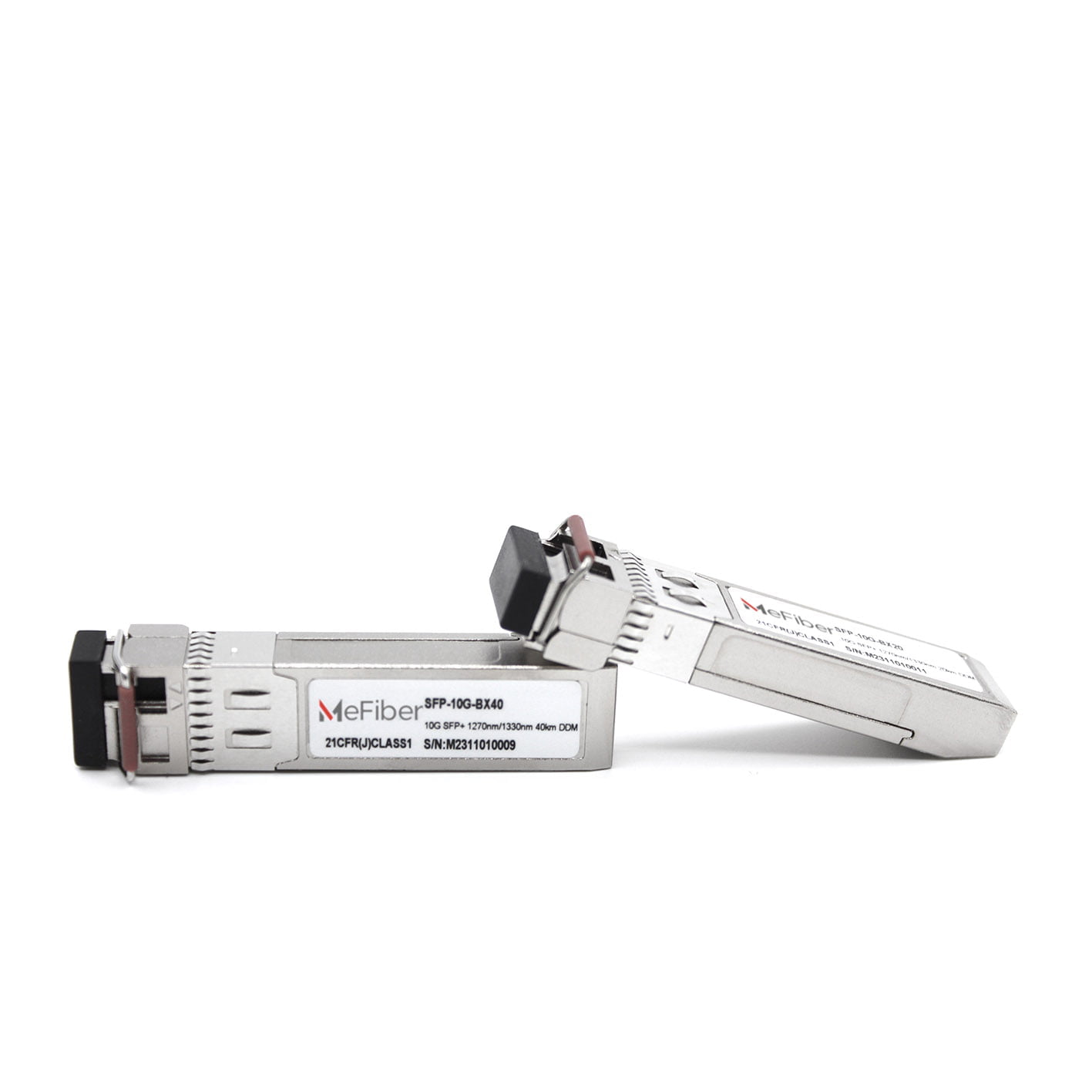
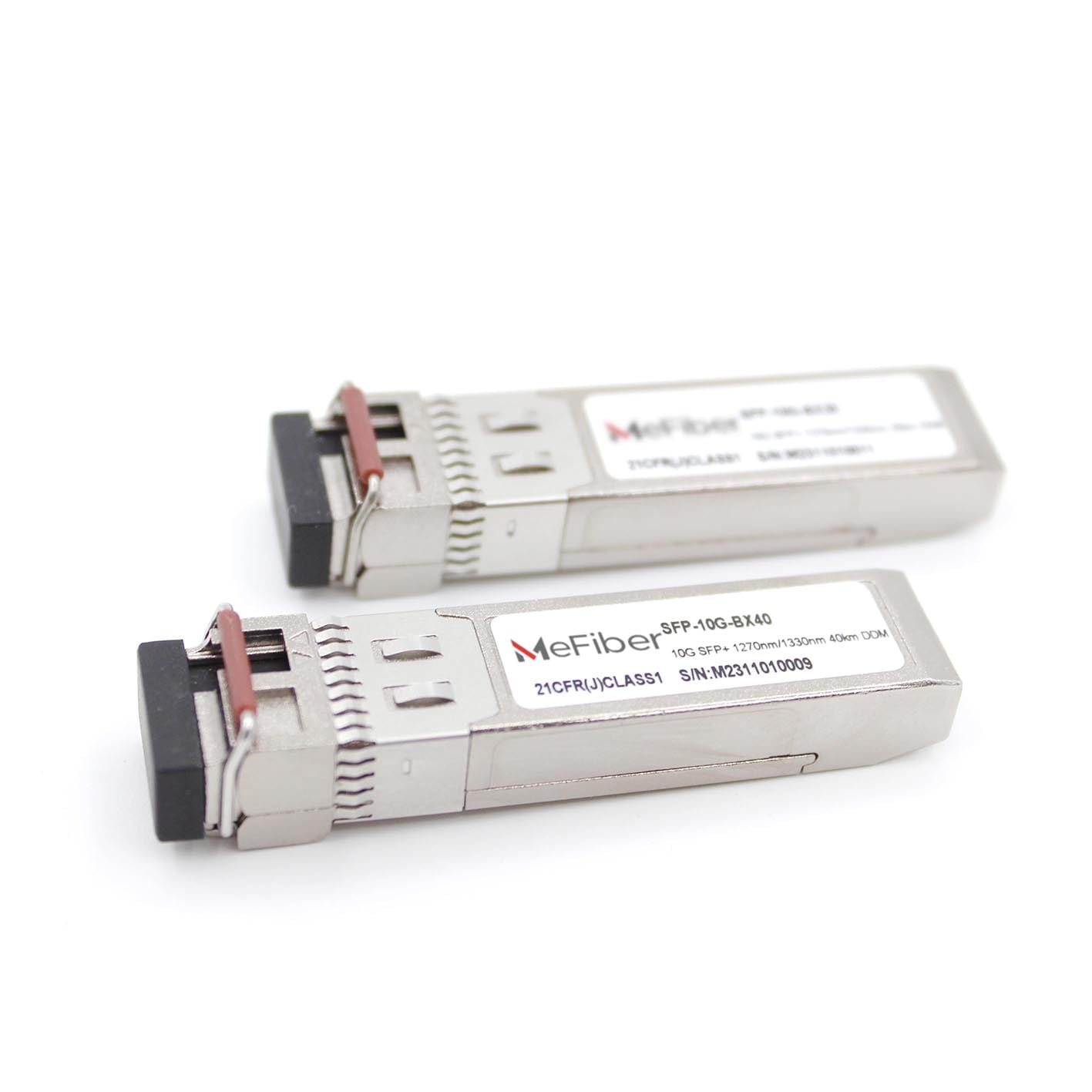
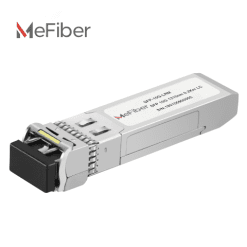
Expand the reach and performance of your 10 Gigabit Ethernet (10GbE) network with the 10G Bi-Directional SFP+ Fiber Transceiver SFP-10G-BX400D, designed for mid-range fiber optic connections. This versatile transceiver operates at a data rate of 10Gbps and supports transmission distances of up to 40km over single-mode fiber (SMF), making it an ideal solution for connecting network devices in campus, enterprise, and data center environments.
Technical Details and Key Features:
- Data Rate: 10Gbps (bidirectional)
- Transmission Distance: Up to 40km over Single-Mode Fiber (SMF)
- Wavelength: 1270nm (TX), 1330nm (RX)
- Connector Type: Duplex LC
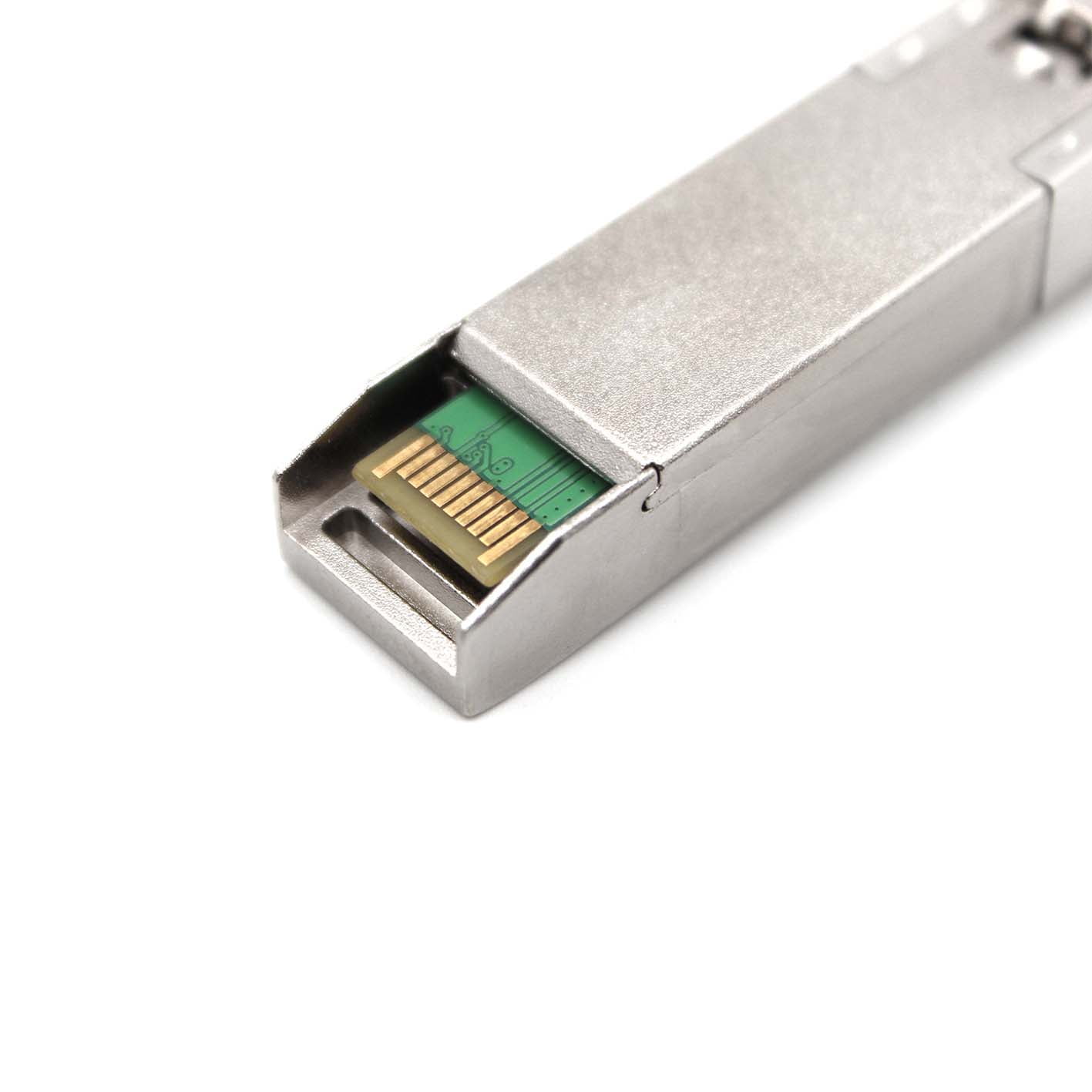
- Form Factor: Hot-pluggable SFP+
- Power Supply: Single 3.3V
- Operating Temperature: 0°C to 70°C
- Compliance: SFF-8636, SFF-8472
Benefits:
- Extend 10GbE network reach up to 40km (24.85 miles)
- Enhance network performance and reliability
- Simplify network maintenance with hot-pluggable SFP+ design
- Reduce fiber cabling infrastructure costs with bi-directional technology
- Ensure compatibility with a wide range of network devices
Applications:
- Campus network connections
- Enterprise network deployments
- Data center interconnect
- Mid-range fiber optic links
- Building-to-building connectivity
Frequently Asked Questions (FAQs):
Q: What is the maximum transmission distance of the 10G Bi-Directional SFP+ Fiber Transceiver SFP-10G-BX400D?
A: The maximum transmission distance is 40km (24.85 miles) over single-mode fiber (SMF).
Q: What is the data rate of the 10G Bi-Directional SFP+ Fiber Transceiver?
A: The data rate is 10Gbps (bidirectional).
Q: What type of connector does the 10G Bi-Directional SFP+ Fiber Transceiver use?
A: It uses a duplex LC connector.
Q: Does the 10G Bi-Directional SFP+ Fiber Transceiver support Digital Diagnostics Monitoring (DDM)?
A: Yes, it supports DDM for real-time performance monitoring.
Q: What is the power consumption of the 10G Bi-Directional SFP+ Fiber Transceiver SFP-10G-BX400D?
A: The power consumption is less than 3.5W.
Conclusion:
The 10G Bi-Directional SFP+ Fiber Transceiver offers a powerful and versatile solution for extending 10GbE networks over mid-range distances. Its reliable connectivity, hot-pluggable design, and support for bi-directional technology make it an ideal choice for a wide range of applications. With its low power consumption and compatibility with a wide range of network devices, the 10G Bi-Directional SFP+ Fiber Transceiver is a cost-effective and energy-efficient choice for enhancing network performance and flexibility.
Alternative SEO Product Titles and Keywords:
- 10GbE Fiber Optic Transceiver for Mid-Range Fiber Optic Links
- Bi-Directional SFP+ Fiber Transceiver for Enterprise Network Deployments
- 40km Single-Mode Fiber Transceiver for 10 Gigabit Ethernet
- SFP+ Transceiver for Building-to-Building 10GbE Connections
- Data Center Interconnect SFP+ Transceiver for 10 Gigabit Ethernet
- Bi-Directional SFP+ Fiber Transceiver for Campus Networks

Reviews
There are no reviews yet.